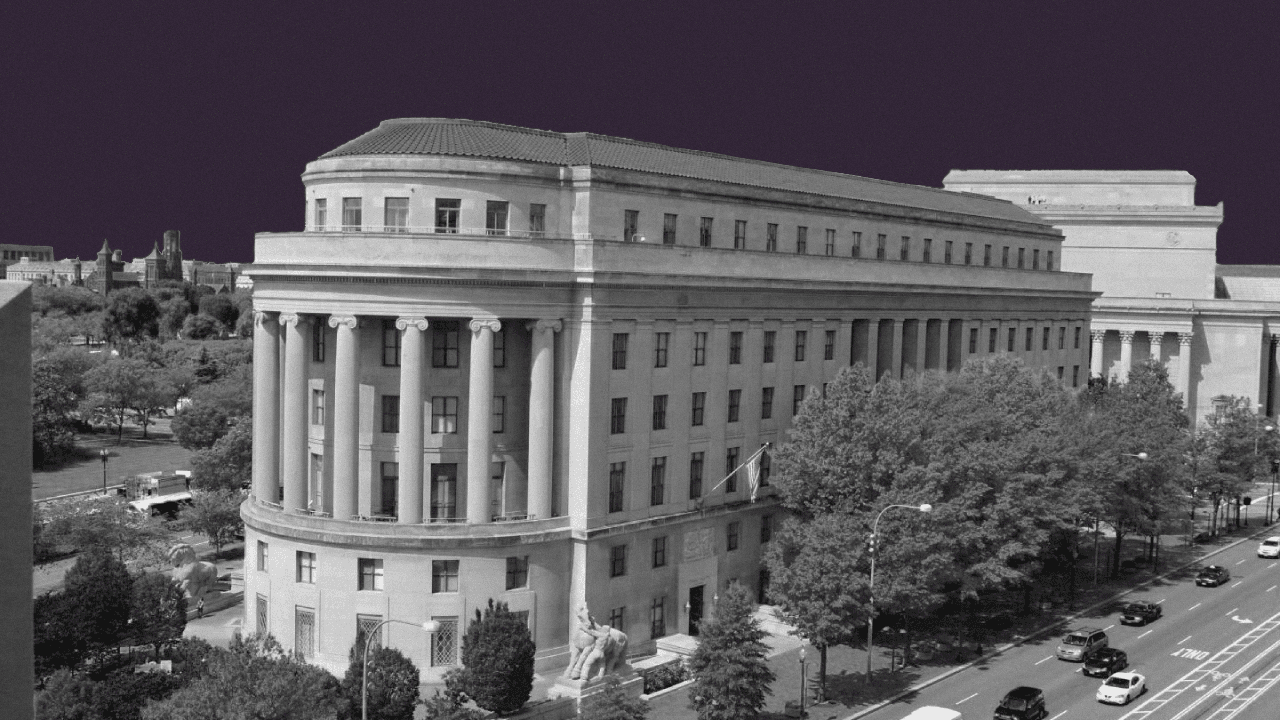
The Federal Trade Commission filed a lawsuit Wednesday against WPATH. This comes following an announcement of a planned investigation of the trans health organization last July, which received pushback from eighteen state AGs. The investigation itself was launched in January, but was promptly blocked by a judge who described the investigations as “retaliatory” and “with extensive evidence of animus and wafer-thin justifications lacking evidentiary support.”
Undeterred by legal experts and judges, the FTC, joined by four states, has gone ahead with its attack on WPATH. In a press release, the FTC alleges that WPATH has encouraged “medical providers to make false and unsubstantiated claims to parents in order to sell pediatric medical transition services.”
Health experts have noted the unprecedented nature of using consumer protections to police medical care. Lawrence Gostin of Georgetown University is quoted by the AP as saying that the FTC “has rarely, if ever, focused on the scientific justifications for clinical medical guidelines.”
While it is unclear at this stage what the outcome of this case will be, it should be noted that the case has been filed in the conservative Northern District of Texas, where the Trump regime has recently centralized its anti-trans efforts. WPATH, however, appears confident about the suit, saying in a statement to the AP, “WPATH is in a strong position to prove that the FTC is acting out of pure retaliation as part of the federal government’s relentless and targeted campaign to undermine gender-affirming care by attacking the First Amendment rights.”
The Department of Education has further expanded its investigations of schools for alleged Title IX violations, now targeting three schools in Michigan and a district in North Carolina. The Michigan investigations focus on trans participation in school sports and access to locker rooms, while the ones in North Carolina focus on trans girls use of girls bathrooms.
These investigations come as the latest in the DoE’s ongoing campaign against trans people in public school systems nationwide.
An Idaho judge has issued a preliminary injunction blocking a statewide bathroom ban from taking effect. In her order, Judge Amanda Brailsford described the bill as vague and unenforceable. The bill, set to go into effect on July 1, is one of the most restrictive in the nation, criminalizing trans people’s use of bathrooms matching their gender identity statewide both in government buildings and private businesses.
The bill, which was voted into law earlier this year, was met with immediate pushback from both civil rights organizations and law enforcement advocacy groups, both for its clear animus against trans people but also for how it laid out no guidelines for enforcement. When asked how it would be enforced, Idaho solicitor general Michael Zarian suggested the use of DNA testing. However, Judge Brailsford noted in her ruling that police would require either consent or a warrant in order to conduct such testing.
The lawsuit by the ACLU against the state is still ongoing, but trans advocacy groups are celebrating the at least temporary victory.