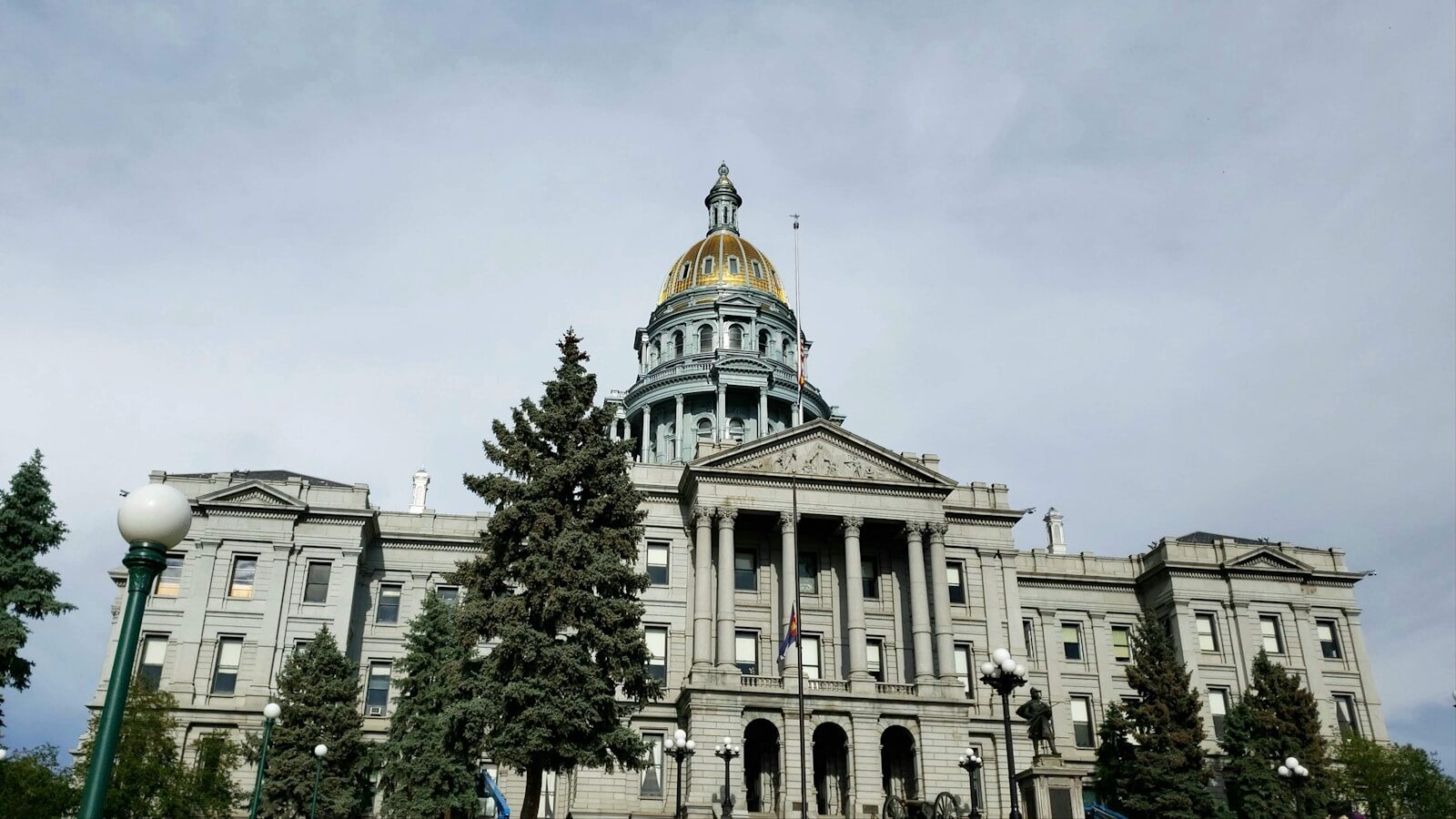
In March, the Supreme Court overturned a Colorado ban on conversion therapy in the case of Chiles v. Salazar. The decision argued that speech therapy is protected by the first amendment and that the ban “suppresse[d] speech based on viewpoint.” Explaining the decision, two justices wrote in their concurrence that things would likely be different if the ban had been “viewpoint-neutral.”
In response to this ruling, the state of Colorado turned around and rewrote the conversion therapy ban in House Bill 26-1322, changing the way it defined conversion therapy and doing away with all language that might be interpreted as pushing a specific viewpoint. The updated language now defines conversion therapy as “any practice or treatment by a licensed mental health-care provider that seeks to direct a patient toward a predetermined sexual orientation or gender identity outcome… regardless of the sexual orientation or gender identity the patient is directed toward.”
The updated conversion therapy ban was passed on May 7th and is now in the hands of Governor Jared Polis, who is expected to sign it into law.
A Republican Representative in Ohio has introduced a bill that seeks to restrict insurance coverage for transgender healthcare. The bill, HB 838, would force Medicaid to drop coverage for most forms of gender affirming care, additionally it would penalize local governments throughout the state for providing coverage for gender affirming care in their insurance packages for employees.
The state rep who introduced the bill, Josh Williams, has just this year also introduced a bathroom ban, a drag ban, a bill forcing trans inmates to be held in facilities based on sex assigned at birth, and a bill that removes all protections for trans children from the welfare system, including overturning any conversion therapy bans in the state.
As of yet, each of these bills is still moving through the House and Senate and are yet to be voted into law.
The FTC’s two latest attempts to investigate trans healthcare have been blocked by a district judge. In January, the FTC launched investigations into WPATH and the Endocrine Society, accusing them of defrauding consumers and demanding that they turn over internal records and communications.
Following a lawsuit brought by the two organizations in February, Judge James Boasberg granted preliminary injunctions, describing the investigations as “retaliatory” and “with extensive evidence of animus and wafer-thin justifications lacking evidentiary support.”