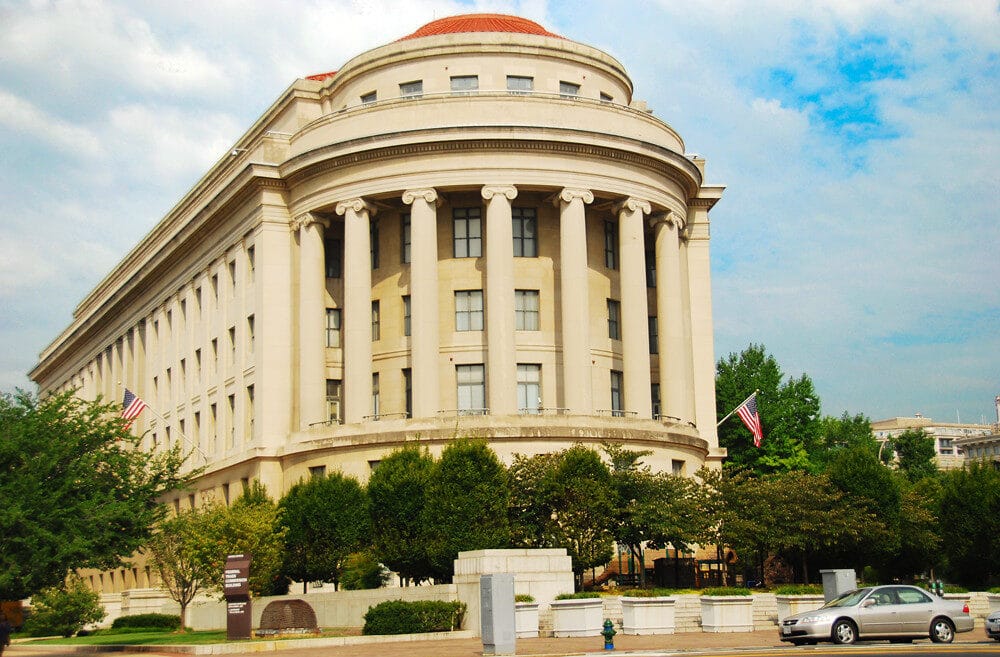
The Trump administration has deployed the Federal Trade Commission in unprecedented ways against WPATH, the professional organization that oversees care standards for trans medicine. WPATH sued the FTC in January, over subpoenas it had issued against them. In their suit, WPATH asserts that the FTC’s actions were retaliatory and infringed on their right to free speech. The judge in that case, James Boasberg, agreed that the FTC was likely in violation of the first amendment and granted a preliminary injunction in WPATH’s favor.
Following the injunction, the FTC, along with several states, filed a lawsuit against WPATH in Texas alleging that WPATH’s support of gender affirming care for minors is, in effect, false advertisement because the administration denies the safety and efficacy of youth trans care and the validity of the studies that support it. Following the submission of this lawsuit, WPATH requested that Boasberg block it on the grounds that “the Texas litigation raises the same issues as this case, involves the same parties, and implicates the same First Amendment rights that WPATH’s complaint [in DC] seeks to protect.“
On Friday, following a hearing, Boasberg denied the request by WPATH to block the FTC’s lawsuit against them, ruling that WPATH would not face irreparable harm in litigating both suits simultaneously.
Last week, Assigned Media reached out to WPATH to ask for their perspective on the FTC’s actions. Here is a slightly condensed version of that Q&A. (This reporting was contributed by Billie Jean Sweeney.)
I was wondering if you could set the FTC lawsuit against a historical backdrop. To your knowledge, has the agency taken such action against any group of medical professionals concerning standards of care?
Not to our knowledge, which is what makes this whole-of-government attack on gender-affirming care so unprecedented. This underscores what a federal judge recently ruled in our favor – that WPATH is in a strong position to show that the Administration is retaliating against WPATH for its speech and pushing a political and ideological agenda.
Are you concerned that this case and the administration’s other actions will sow fear and confusion among individual providers? Is there anything your organization can do, or perhaps is already doing, to counter that?
This administration has waged an “all-of-government” campaign designed to undermine access to gender-affirming care and silence medical professionals and nonprofit organizations. This is the second time this year the Trump Administration has abused the authority of its agencies to interfere with Americans’ rights to seek and obtain the healthcare that should be decided between a patient and their physician.
In previously ruling against the FTC, a federal district court has already found WPATH is in a strong position to prove that the FTC is violating WPATH’s First Amendment rights as part of the federal government’s relentless and targeted campaign to undermine gender-affirming care. We expect the same result when we oppose this latest attack on WPATH.
How can members of the public who value medical authority and the lives of trans people push back against the FTC’s actions? This might seem obscure or bureaucratic to the general public, so how can news organizations like ours explain this in broad terms that make clear the values at stake?
Transgender and gender-diverse patients, like all Americans, deserve individualized, science-based, and compassionate care from their medical providers. WPATH’s mission is to support just that.
When the government intervenes in individualized medical decision-making, it not only compromises care for transgender and gender-diverse Americans, but also risks all Americans’ access to ethical, compassionate care.
We have been clear that the FTC has no place interfering in the medical decision-making process and that it has no jurisdiction over WPATH. It’s in the interest of all Americans who wish to maintain control over their medical decision-making that organizations like WPATH maintain their independence.
Can you offer some context on the use of consumer protection law to challenge a medical group’s standards of care? How is consumer protection law suited, or ill-suited, to address standards of care set by medical professionals?
The FTC was established to protect American consumers from unfair and anticompetitive business practices. Congress did not grant the FTC authority to patrol the speech of noncommercial, nonprofit organizations like WPATH. That’s what makes its crusade against gender-affirming healthcare so unprecedented and unconstitutional.