We’ve written about trans people in prison many times here at Assigned, mostly with the help of guest writer B Speaks.
B has written for us about the unique difficulty of rehabilitating for trans prisoners, the unequal application of the Prison Rape Elimination Act, how LGBTQ+ prisoners find community on the inside, and just how horrific the lived realities of queer inmates in the American carceral system can be. B has written for Assigned a lot, and you should check out the rest of their work with us.
Besides that, I wrote about Doe v. Blanche back in May, when they were last handed down some good news.
To keep it short and simple: An Executive Order issued by Donald Trump on the first day of his second term declared that the United States government only recognized two genders, male and female, and that they are immutable. The Bureau of Prisons decided to use this as an excuse to relocate trans women from women’s prisons to men’s prisons, a horrific act commonly known as V-coding, in which trans women are placed with male prisoners to “pacify” them, i.e., institutionally sanctioned rape.
A trans woman filed a lawsuit the very next day to stop this from happening, and she (and others) have been battling the Trump administration ever since. Injunctive relief was granted to prevent the move from taking place while the case worked its way through courts, and was later expanded to nationwide relief to ensure no trans women in federal prisons—specifically federal prisons—were housed with men before a resolution was reached in Doe v. Blanche.
That relief has been extended by Judge Royce Lamberth, who initially issued it multiple times.
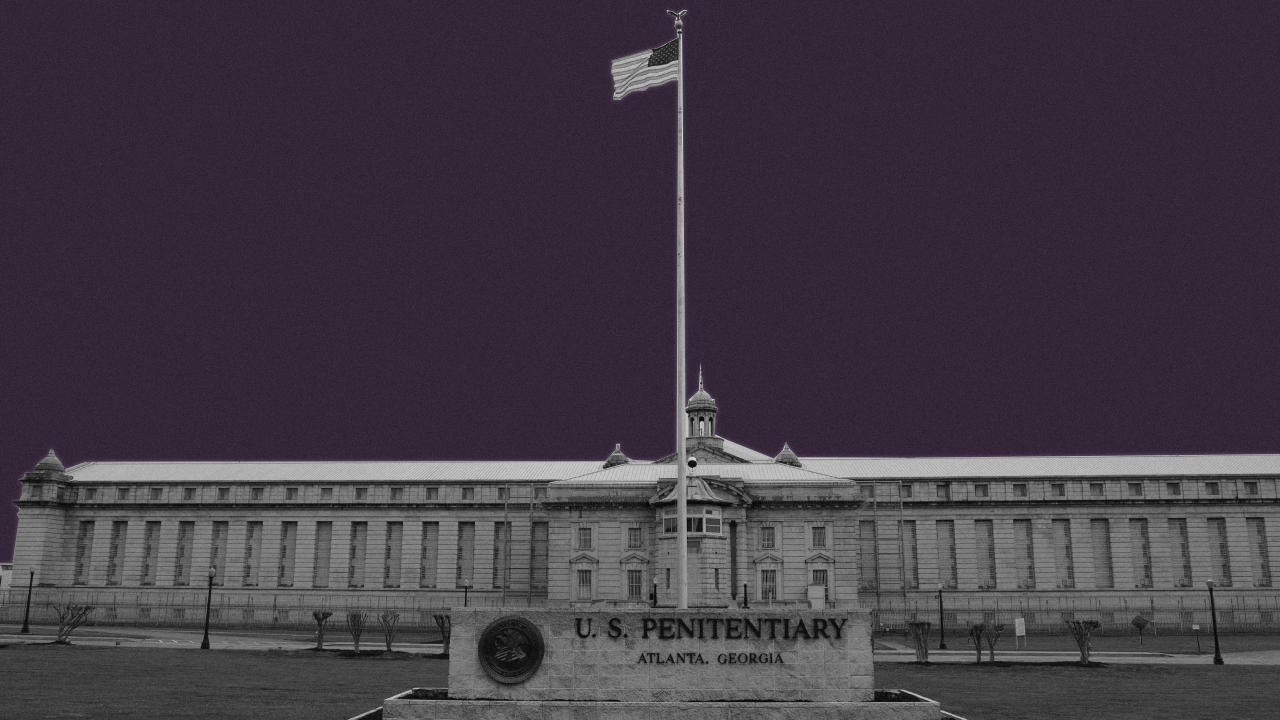
Justice Department attorneys have declared that they are relocating these trans women to a segregated space, separate from both cis female and cis male prisoners. The injunctive relief that kept trans women from being housed with cis men, they say, does not explicitly force them to house those trans women with cis women, and that by segregating these prisoners they are still obeying the rules of the injunction. This segregation is also meant to satisfy a related lawsuit, Fleming v. Warden T. Rule, in which cis female inmates in Texas have sued the BOP to keep trans women from being housed in the same prison unit as them.
The plaintiffs in Doe v. Blanche have filed an emergency motion to halt this segregated housing because, they say, it limits their access to medical appointments, legal visits, educational programming, recreation, and meaningful social interaction. Plaintiffs’ declarations state they are experiencing worsening mental health as a result, including “resurgent gender dysphoria, loss of clinical progress achieved over years in general population, deteriorating mental health, and, for at least one Plaintiff, the resurgence of suicidal ideation,” and rightfully point out that the relief order compels BOP to “maintain and continue the housing status in women’s facilities.”
It seems clear that BOP is violating the ruling issued by Judge Lamberth, and while this enforced segregation may not be quite as vile as V-coding, it is plainly cruel and unusual. Transgender women are women, and they deserve to be housed in general population alongside other women, where they can receive the same level of access to common necessities as their cis peers. If you think these women are undeserving of empathy and compassion because they’ve broken the law, know that everybody deserves a second chance, and nobody should be defined by their mistakes.
Hopefully the courts recognize this malicious maneuver from the BOP and Justice Department for what it is, and enforce their relief order soon.