A moment of silence for my childhood, please. When I first played the Legend of Zelda: Ocarina of Time in 1999 the character of Sheik was a man who helped the protagonist Link resist the designs of the evil King Gannondorf. Sheik was eventually revealed to be an alter-ego/disguise of Princess Zelda. Now, to my dismayed horror, Nintendo’s otherwise excellent remake of Ocarina of Time features a character called Sheik who is a very thinly disguised alter-ego of Princess Zelda.
How could Nintendo do this to me, to us, to girl and girl-adjacent children everywhere who dreamed of disguising ourselves as a boy convincingly.
How Sheik Has Changed
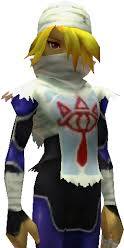
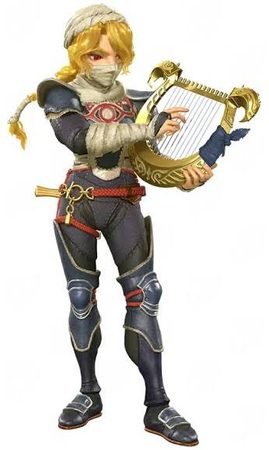
Gendered appearance is much more complicated than most people realize. Although most people instinctively assign a gender to everyone we meet, the cues you draw upon to do so are mostly subconscious. Trans people, particularly those of us who wished to shift how others perceive our gender, often learn a lot about the tiny cues that all add up in the subconscious to produce a snap judgement of male, female, or (more rarely) impossible-to-determine.
In the case of Sheik in the original Ocarina of Time game, those cues all aligned with a male character. The Sheik of the original had short hair, wide shoulders, narrow hips, and no discernable bust. He made quick, decisive movements and walked in a clunky, ungraceful manner. When he played the harp he did so with a workmanlike air. While the game pre-dated modern voice acting, Sheik made occasional grunts or “efforts” and these were distinctly masculine.
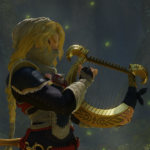
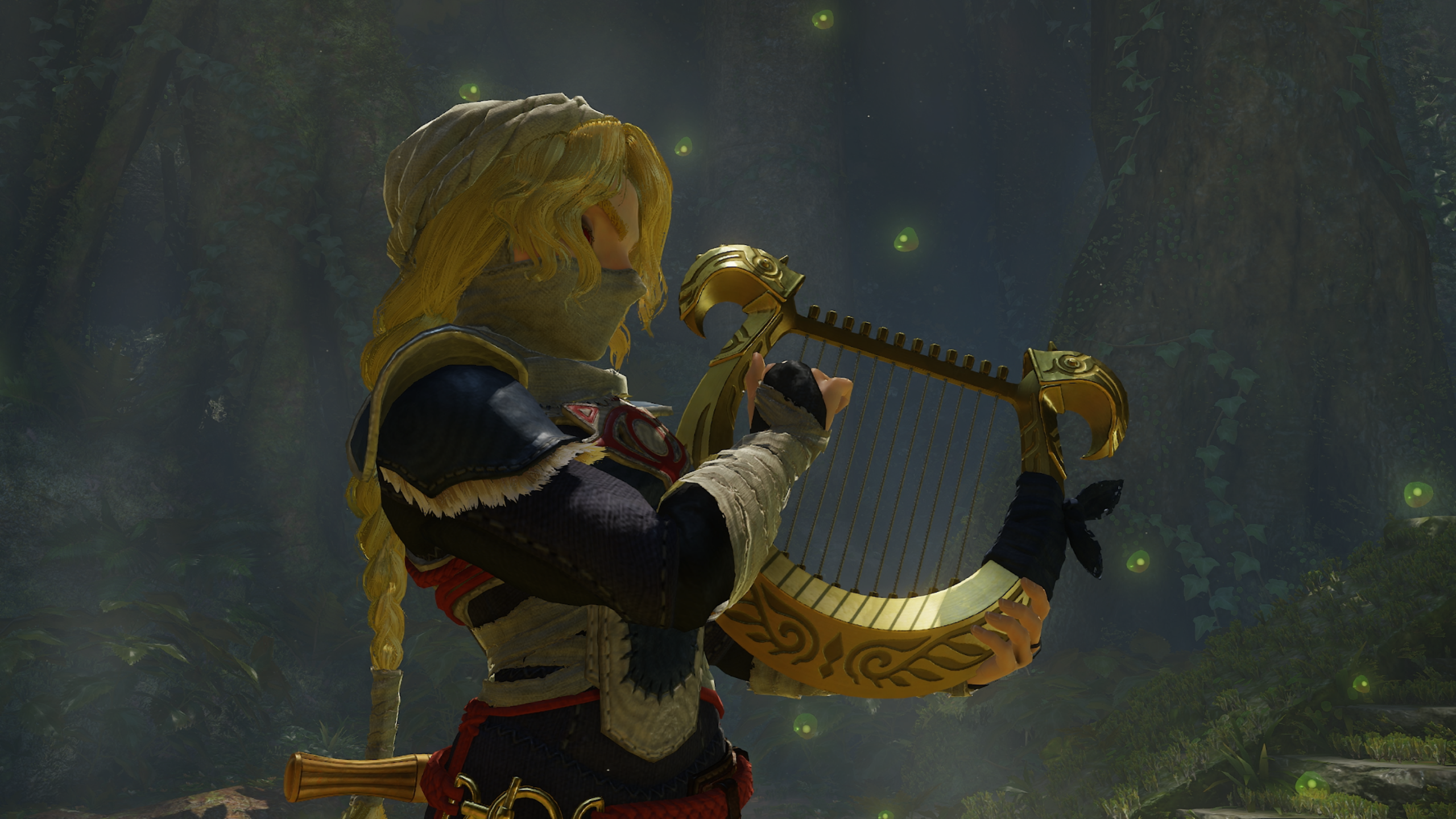
In the remake, Sheik has a visible bust shown off by a form-fitting sheikah outfit. The costume has a breast plate, which is presumably intended to disguise the chest, but the plate has a subtle crease at the bust to make the shape underneath even clearer. Sheik has long flowing hair, a long braid, and a graceful manner. The voice acting, done in English by Erica Mendez for both Sheik and Zelda, is very slightly lowered when Mendez is playing Sheik, but it sounds nothing like a man’s voice, or even like a woman attempting to sound like a man. (Mary Martin as Peter Pan was more convincing.)
In both versions, Sheik wears pants rather than a dress and other characters use he/him pronouns when they reference him. But in the remake it’s clear that Nintendo wants you to know there is still a female body under the costume, while in the original it’s implied that Zelda was magically transformed into a man or used illusory magic to disguise her gender.
Who Cares if Sheik is Feminine?
I hope I have convinced you that the Sheik of the recent remake is far more feminine than the same character was in the original. Now for the hard part: Explaining why anyone might care about this.
Playing with gender is a bit of a trope in Zelda. In Breath of the Wild, Link had to disguise himself as a girl to enter a women-only community as part of a main-plot questline. In an optional side-quest in that town he encountered characters implied to secretly dress as men at a club for female-to-male crossdressers. Controversially, he also encountered a character named Vilia whose transfemininity was made a punchline.
Sheik is not a punchline, but by accentuating his bust and making him more feminine Nintendo is doing something similar to what they were doing with Vilia in Breath of the Wild. They are making the time Zelda spends as Sheik seem like a thin ruse, to be easily seen through. They’re also making Zelda’s femininity something so essential to her character that it can’t be hidden. It’s “we can always tell” communicated visually and through voice acting that makes no attempt to sell us on Sheik as a man before revealing he is really Zelda.
To a young transmasc the promise of Sheik was that people can’t, actually, always tell our birth sex. Making Sheik believable as a young man was also subtly transgressive because it meant that princess Zelda’s extreme femininity was mutable, a costume. Zelda became a Princess character played by a person who, we understood, could inhabit the dashing Sheik just as convincingly. While we never explore what that means, it gives the character a layer that has made Sheik a fan favorite over the decades.
This complexity is something Nintendo has taken from the character with the remake. Instead of a message that Zelda can be a princess or a sheikah warrior, the message now is that it is always possible to know the true sex of a person who attempts to disguise themselves as another gender.
But this, of course, is a lie. If Mary Martin could sing like a Peter Pan, Erica Mendez could have delivered her voice lines as Sheik in a way that attempted to convince us of Sheik’s manhood. The breastplate of Sheik’s character model didn’t need a crease to make sure we knew that there were breasts under it. Sheik’s animations could have been bolder and less graceful. And young people who the world views as girls can grow up to be men, seamlessly and automatically gendered male by everybody they encounter.
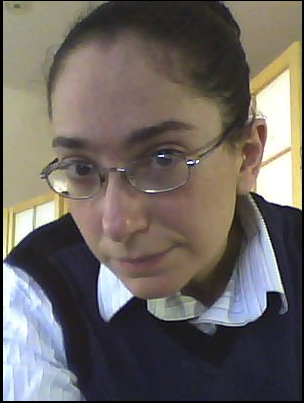

I know, because I did that. I changed enough aspects of my gendered presentation to go from never being taken for a man as a younger person to always being seen that way presently. Nintendo may have taken Sheik’s masculinity, but they can’t change biology, and what they may not want you to know is that biology is changeable.
Evan Urquhart is the founder of Assigned Media.