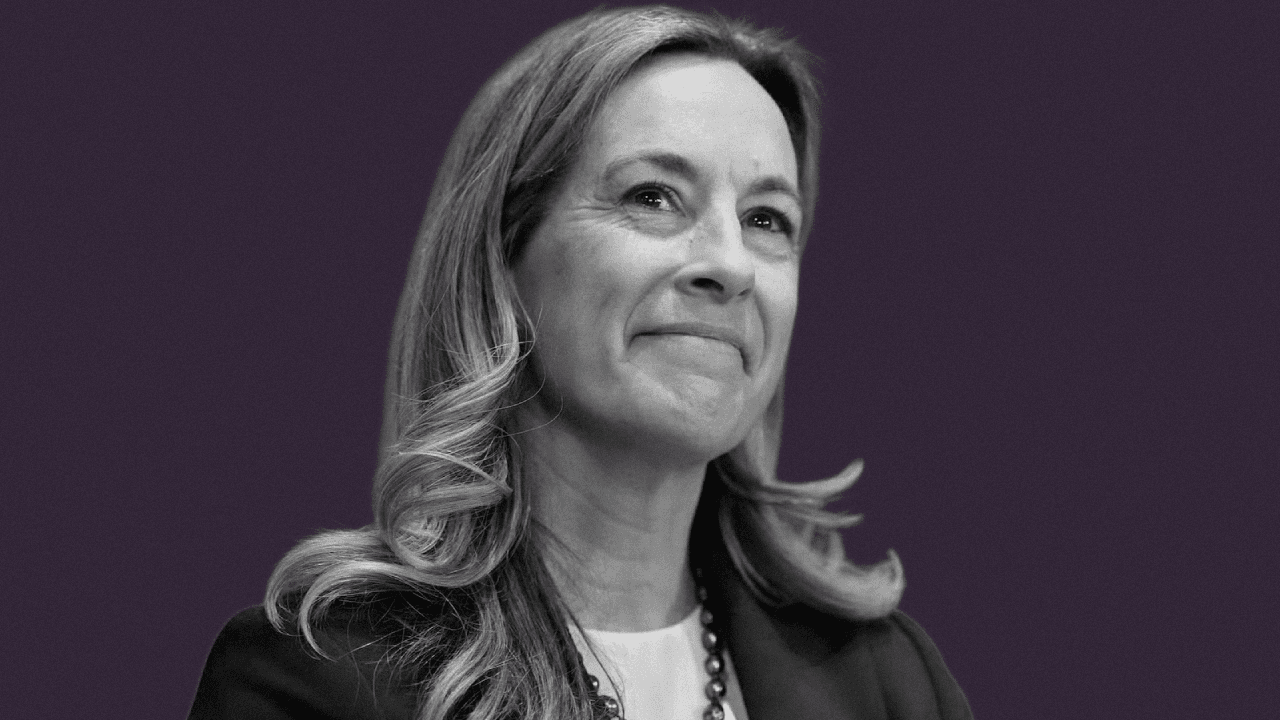
New Jersey became the latest state, last week, to enshrine legal protections for trans people and gender affirming care providers. On August 20th, New Jersey Governor Mikie Sherrill, a Democrat, signed S2260/A2218, a long worked on and awaited shield law for the state.
The law protects both trans healthcare and reproductive healthcare from legal action against patients or providers from outside the state attacks. It also protects patients from protests that would block access to reproductive or gender affirming care and threats against patients or providers of that care.
The protections are the result of years of work with lawmakers, lawyers, and advocacy groups working in tandem to ensure the bill would be durable enough to fully protect the health care under its umbrella. Initially conceived of as a bill to protect reproductive health following the decision in Dobbs v Jackson in 2022, trans healthcare was wrapped into the bill in 2025 as an answer to the barrage of anti-trans legislation following Trump’s inauguration.
“This isn’t just about abortion. Republicans in Washington are trying to control people’s lives,” Governor Sherrill said in a speech ahead of signing the bill, “That’s why the White House has relentlessly attacked our transgender community as well. They’ve pulled tactics straight out of the red scare playbook to restrict transgender people’s healthcare.”
“We know Trump’s strategy, threaten institutions until they cave. He’s already done it with universities and hospitals,” Sherrill went on to say. “This bill tells insurers that they can’t penalize providers for offering reproductive health care, no matter what threats Trump issues.”
Following the bill’s signing, Khadijah M. Silver of Lawyers for Good Government, issued a statement, saying “This is how a shield law should work, giving patients and providers the confidence that they can seek and provide medically necessary healthcare without being subjected to hostile investigations, prosecutions, or harassment.” Silver worked with lawmakers in drafting the bill in their role as the Director of Gender Justice and Health Equity for L4GG.
“We’re living under fascism,” said Silver in an interview with Assigned Media, “so everything we do is trying to insert logic into a completely illogical framework”
Silver drew attention to a unique aspect of this shield law, the way its language roots the support for gender-affirming care in laws protecting reproductive health and bodily autonomy, rather than in New Jersey’s anti-discrimination laws. When describing the reason for that choice, Silver said there was a worry ahead of time that equal protection laws may not be enough by themselves to protect access to care.
“Sadly, we were right. Fast forward to the Project 2025 release, and they had it all written out in bold, that they planned to dismantle equal protection altogether,” Silver explained, “which of course they, I believe, pretty much finalized with Skrmetti.” (US vs Skrmetti was the 2025 Supreme Court case which allowed states to ban treatments for trans youth even if they remained legal for cisgender youth of a similar age and medical need.)
Ultimately, time will tell what the strength of the bill is when it comes to defending people from the administration’s onslaught, but Governor Sherrill was confident and resolute about her state’s willingness to defend trans care and reproductive care. “If you threaten a provider or block a patient from entering a clinic, you will be held accountable under the law, civilly and criminally,” she said in her speech, drawing applause from the audience.
As more states enact these types of shield laws, it provides a more robust network of protection for marginalized Americans to access their healthcare safely, according to advocates. For their part, Silver spoke hopefully of the future of shield laws, “It’s been really rewarding to see the ways that the shield laws I worked on in New York and Maryland have been leveraged in the litigation there. And I’m really hopeful that we can continue to write stronger and stronger laws that will be durable in the face of really animus laden and persistent attacks.”
Valorie Van-Dieman (they/she) is an Associate Editor at Assigned Media. @valorievandieman.bsky.social