Ellie Krug is a trans woman, public speaker, author of two books, and the radio host of The Illegal Trans Woman which airs on AM950 in the Twin Cities. Assigned Media spoke with her via phone while she was on the road between speaking gigs in Boise Idaho and Sonoma California, places she says she picked to visit in large part because they’re hotspots of anti-trans activity.
Assigned Media: Ellie, hello! Where are you at the moment?
Ellie Krug: I’m on highway 101 in Oregon, heading south towards California.
AM: And what can you tell me about this trip you’re taking, both why you wanted to take it and how it came together?
EK: Well, I love to drive, I love watching the countryside change and I just love meeting people. It’s pretty unbelievable.
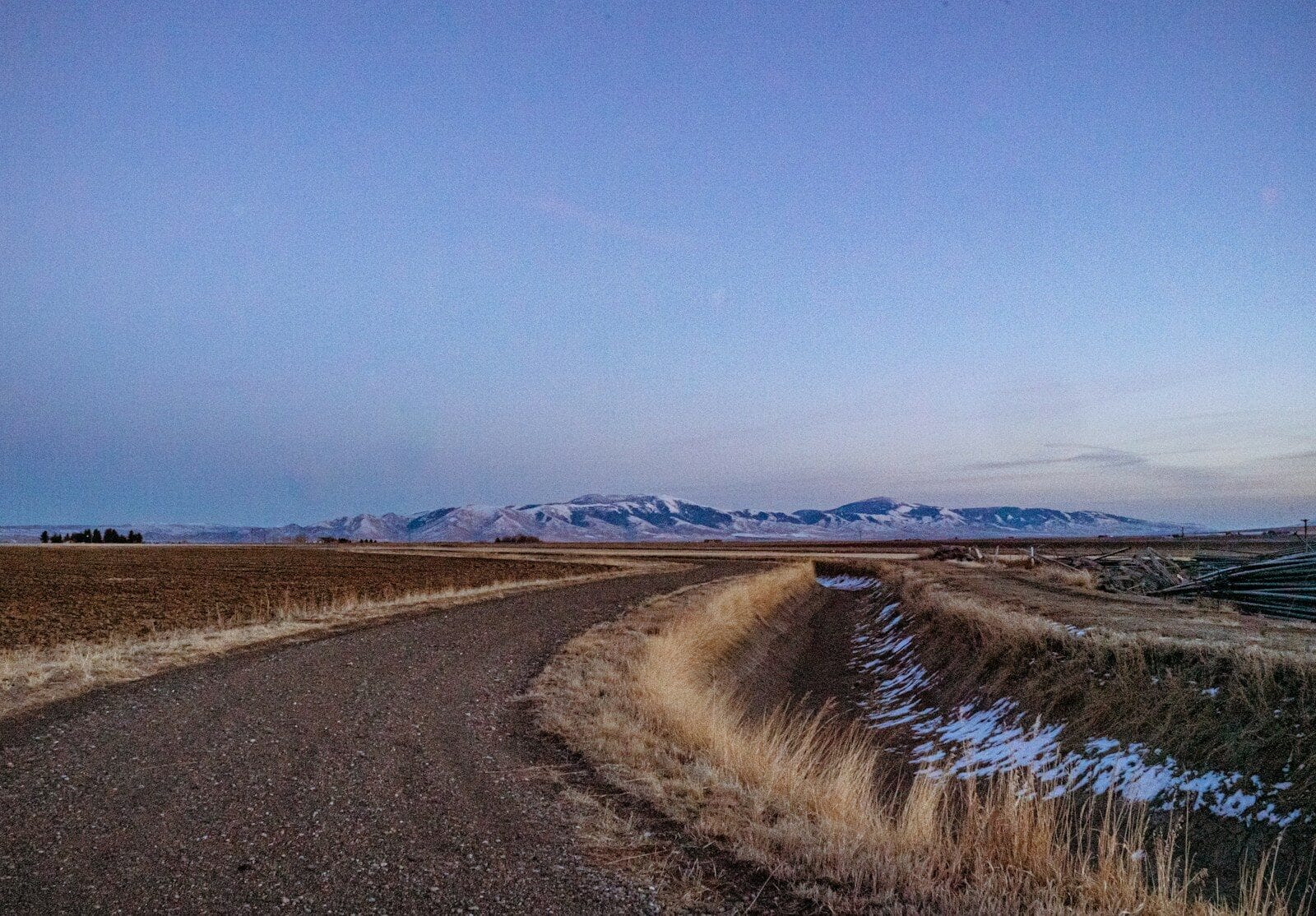
I started out in Minnesota a week ago and it took me through North Dakota, into Montana, into Idaho, and now into Oregon. I spoke in Idaho Falls on Wednesday and in Boise on Friday. It’s kind of a combination of a personal trip, visiting friends, and speaking tour.
AM: I’m interested in hearing more about your time in Idaho. How did you find it?
EK: About three weeks ago I did some coverage of May Pollard, and her death by suicide. And I got some feedback from my listeners that it’s one of the most emotional shows I’ve ever done. I wanted to go to Idaho because it’s so bad for trans people.
I wanted to go and see firsthand how bad it was, and secondly to offer some degree of support and hope, to the extent that that was possible.
I have a talk called Gray Area Thinking that I’ve given hundreds of times. It’s not specifically about trans people but it’s about how we group and label other people, and I often give it to cis straight people who have never met a trans person before that they know of.
I looked for [LGBTQ accepting] churches in Idaho and found one in Idaho Falls and one in Boise, and both were interested. They also suggested I try the Wassmuth center for Human Rights in Boise, and so I gave two different talks there also.
In Idaho Falls, they have been hosting a support group called the queer agenda that meets in the fellowship hall in the basement of this church. I sat and met with this group after I did my Gray Area Thinking, and the pastor of that church runs this group, this queer support group with about a dozen people, and I’ve got to tell you, the suffering was palpable. How the oppression has affected them was… immediately, I could feel it.
AM: What was that like? What could you feel that was different?
EK: You could see on the faces of the group that they’re hurting. It got to the point – they all went around, with names, pronouns, and I asked “How is it? What’s going on?” And they said it’s very very difficult, that it’s something they’re mindful of all the time.
They also said that the group was incredibly supportive of each other. And they related that, notwithstanding the oppression, there is a lot of LGBTQ stuff going on in Idaho. I spoke with a group, Trans Affirm Inc, and they said they went to 6 different Prides, in Idaho. I was shocked that there are 6 Prides – and that’s not even counting Boise, Boise hasn’t even had their Pride yet. They’re going to have it in September. There’s even one in Coeur d’Alene, in Northern Idaho, in white supremacist territory.
One thing that happened, that I won’t forget, was that as I was sitting there, I felt guilty. I felt an immense sense of guilt, because I live in Minnesota. And in Minnesota, I have all the rights in the world. I didn’t expect to feel it, but I felt it. And I told them how brave they were. I told them how important their work was. I know it sounds cliche, but I said I don’t know you, but I care about you.
AM: How was it in Boise?
EK: After I gave my second talk, Gleaning Authenticity, two trans women who I think are married to each other stayed behind to talk to me. One of them, she told me that because of how bad Idaho is they’ve lost half of their Democratic Party queer caucus in the state, because they’ve all moved out because of how bad it is. This person had been named the chair of the caucus because all the other people had left.
Her partner came up to me, put her head on my shoulder, and started sobbing uncontrollably, after my talk. She just kept saying “It’s just so bad.”
AM: That’s so tough. I was also wondering, how did you find it, in Boise or in Idaho Falls. Meaning, not during your talks, but just walking around as a trans person in these places.
EK: Well, the thing is, have you ever been to Boise?
AM: I actually saw the eclipse in 2017 in Idaho, and we did see a little bit of Boise as well, for that. So yes, I actually have been to Boise.
EK: Well, Downtown Boise is rockin’ it. It really is a cool downtown. It’s got bike lanes all over the place, it’s got residential, you know, downtown living, I mean, I loved it. And just as I started thinking “You know, I could…” then I remembered. No, you can never live here, Ellie. You could never ever live here.
AM: What did you do about using the bathrooms?
EK: Well, I believe the law is enjoined, or almost totally enjoined. But I’m not a man, I don’t look like a man, I’m a woman and I’m gonna use the women’s room. But I didn’t feel clocked or uncomfortable.
AM: What’s next on the agenda?
EK: Well, I’m going to be in Sonoma tomorrow, they have an organization called Wake Up Sonoma, where they have big issue because the school board chair unilaterally told them to take all of the Pride flags out of the school system. And I’ve been told the school superintendent might be at my talk tomorrow.
AM: So, what kind of things are you taking away from this experience?
EK: I think the legal framework of the state in which you live is the kind of thing that makes all the difference in the world as to whether you feel safe and happy or whether you feel threatened. In America, we shouldn’t have to have a patchwork of states where people have rights in some states and absolutely lack rights in other states.
It’s wrong, it’s immoral, and it’s something in my own small way I’m trying to help resolve, and fix.
AM: Thank you so much for talking to me, and for everything you’re doing, this is great.
ADDENDUM: About an hour after speaking with us, Ellie Krug called back to add some final thoughts:
EK: I wanted to call because I wanted to make sure it’s clear that I believe the trans Idahoans I met are being incredibly brave. The mere presence of staying in the state is an act of resistance.
AM: It sounds like you’re concerned you might have come off as pitying, and you want to come off as admiring.
EK: Yes, I think that’s right. Thank you for putting it that way.